Natural Agarwood Stump Part – sweet woody warmth from Central Vietnam
Summary: Natural stump-part agarwood from Central Vietnam offers a sweet woody aroma, a warm clean finish, and light resin depth when gently burned.
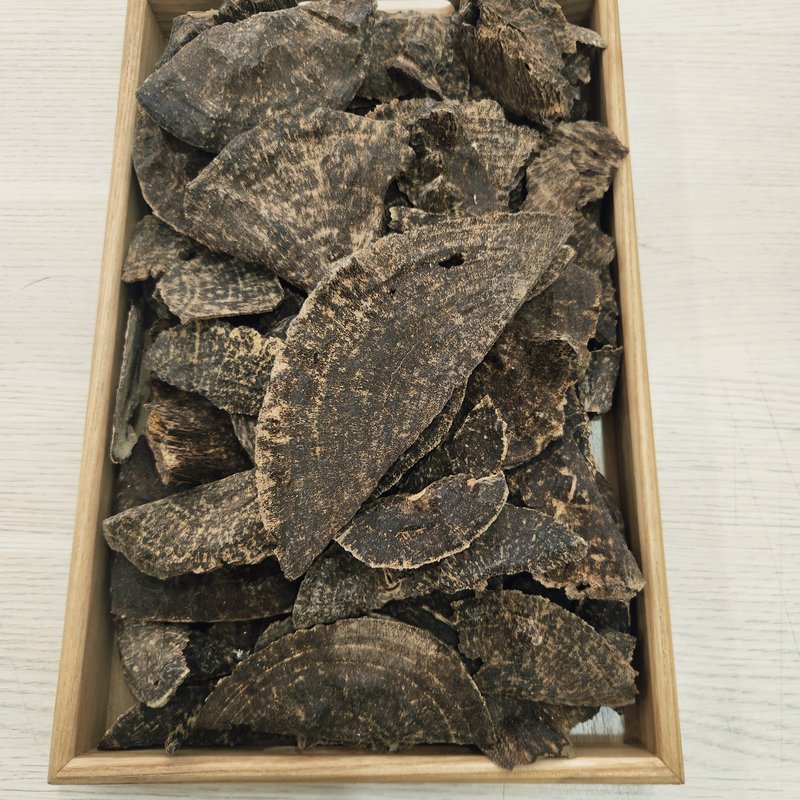
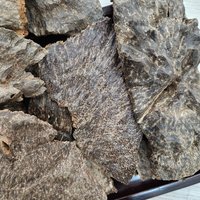
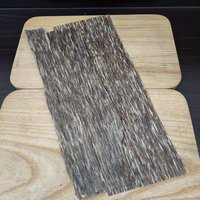
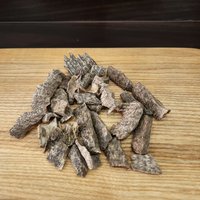
An overview of the thin natural stump-part pieces, showing the wood grain and natural resin traces.
This natural agarwood is taken from Aquilaria trees in Central Vietnam. When the tree is affected by weather, insects, or other natural wounds, it secretes resin as part of its self-protection and healing process. Over time, the wood around those wounded areas becomes darker, more aromatic, and gradually forms agarwood.
After the main trunk is harvested, the area near the stump or cut surface can still preserve the traces of resin formation. In Vietnamese trade language, this part is often called mat chem, while international buyers may describe similar material as stump part or edge oud pieces. In this product, the wood is sliced thin to preserve the natural grain, aroma, and handcrafted feel of the material.
Fragrance profile
At room temperature, the scent is relatively gentle and clean, with a dry natural woodiness. Once heated on charcoal or burned gently, it opens into a sweet woody warmth, followed by a light resinous depth and a faint earthy undertone in the base. The overall impression feels natural rather than sharply strong or artificially scented.
Compared with some plantation grades that show sweetness more quickly, natural stump-part agarwood can feel a little more raw and woody in the opening, then warmer and sweeter once the heat stabilizes. This profile suits people who enjoy real natural oud with a clean finish and a quiet depth.
The aroma rising while burning, showing the sweet woody warmth and quiet depth of this natural stump-part type.
Appearance and quality
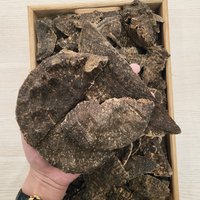
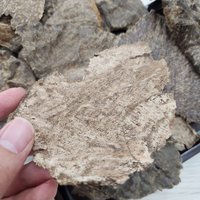
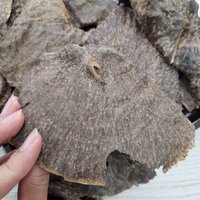
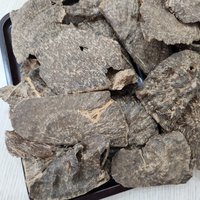
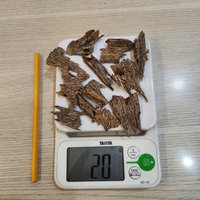
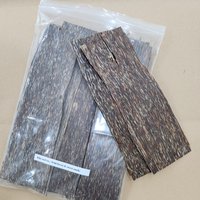
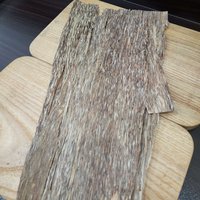
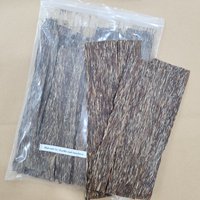
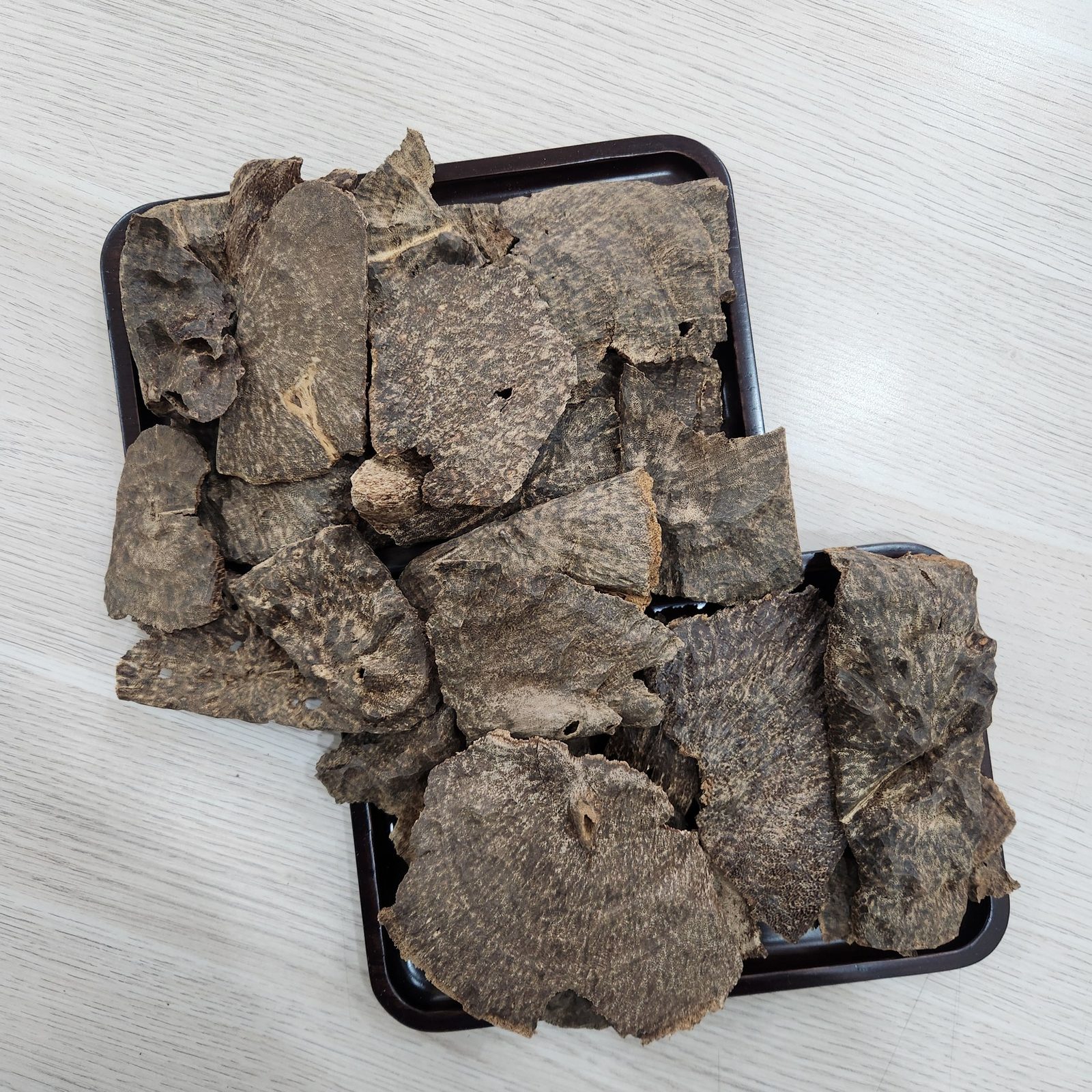
Because this material comes from the stump-part area, the pieces are not expected to be perfectly uniform. Each slice is around 1–3 mm thick, while the length and width vary according to the natural way the wood is split. The number of pieces depends on the gram weight, and each batch may show small differences in grain, resin color, and shape.
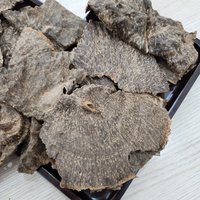
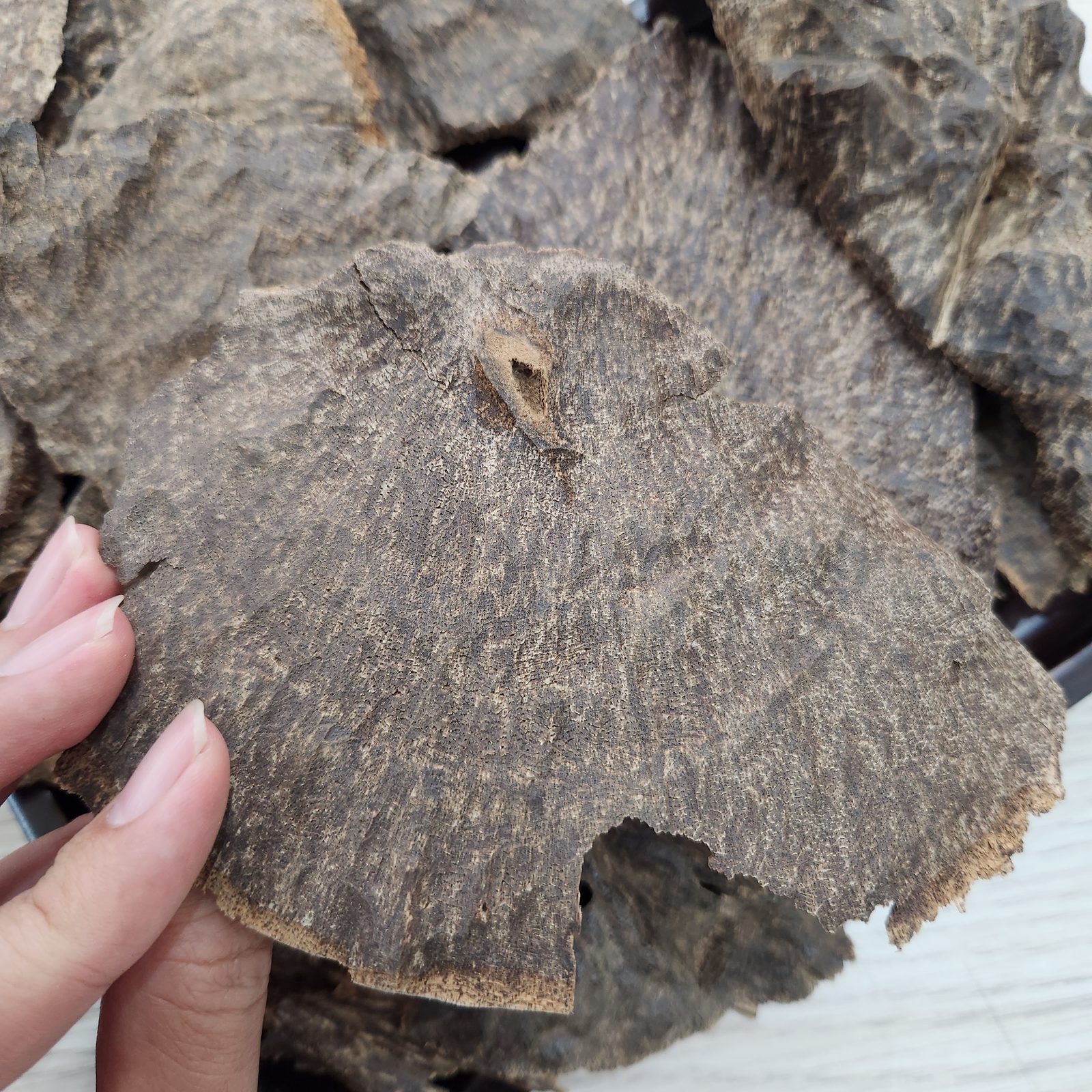
One of the appealing qualities of this type is its natural character in both appearance and fragrance. The thin slices are easy to break into smaller pieces for burning, and they also make it easier to observe the surface, resin traces, and structure of each piece.
Product details
Item is sold by gram
Manufacturer: K-GOLD Co., Ltd.
Branding: Thien Thanh Agarwood
Collected time: 2025
Origin: Central Vietnam
Product line: Natural | Premium
Wood-part name: Mat chem / stump part
Fragrance: Sweet woody warmth, clean tone, and light resin depth
Commonly appreciated effects: Relaxation, suitable for sacred spaces, workplaces, or guest-receiving spaces
How to store: Keep indoors in a dry place and avoid direct sunlight